
Somewhere in the skies,
someone is flying, right now.
TRAFFIC
Virtual airlines have never been this real.
Join us and be part of the ever growing community.
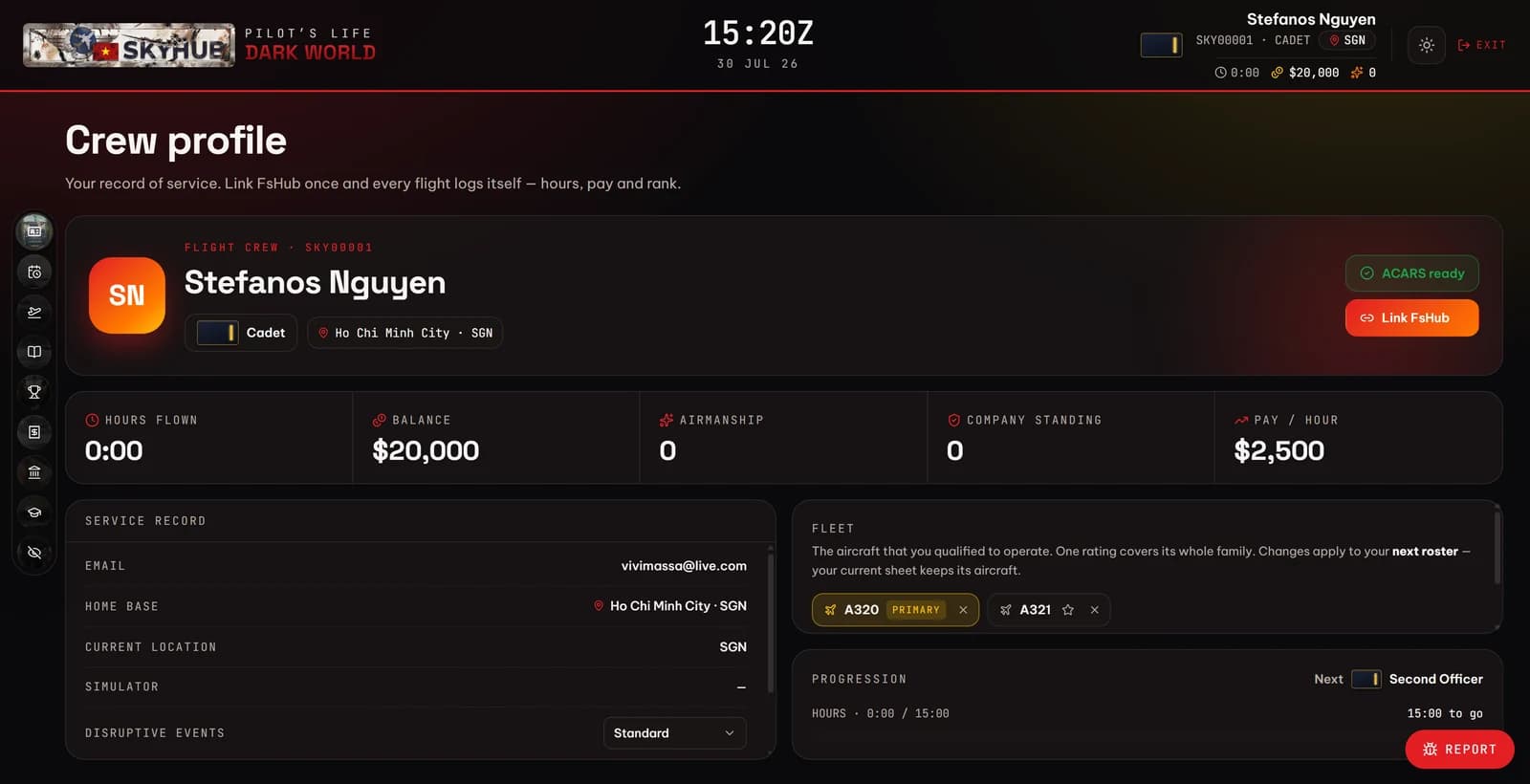
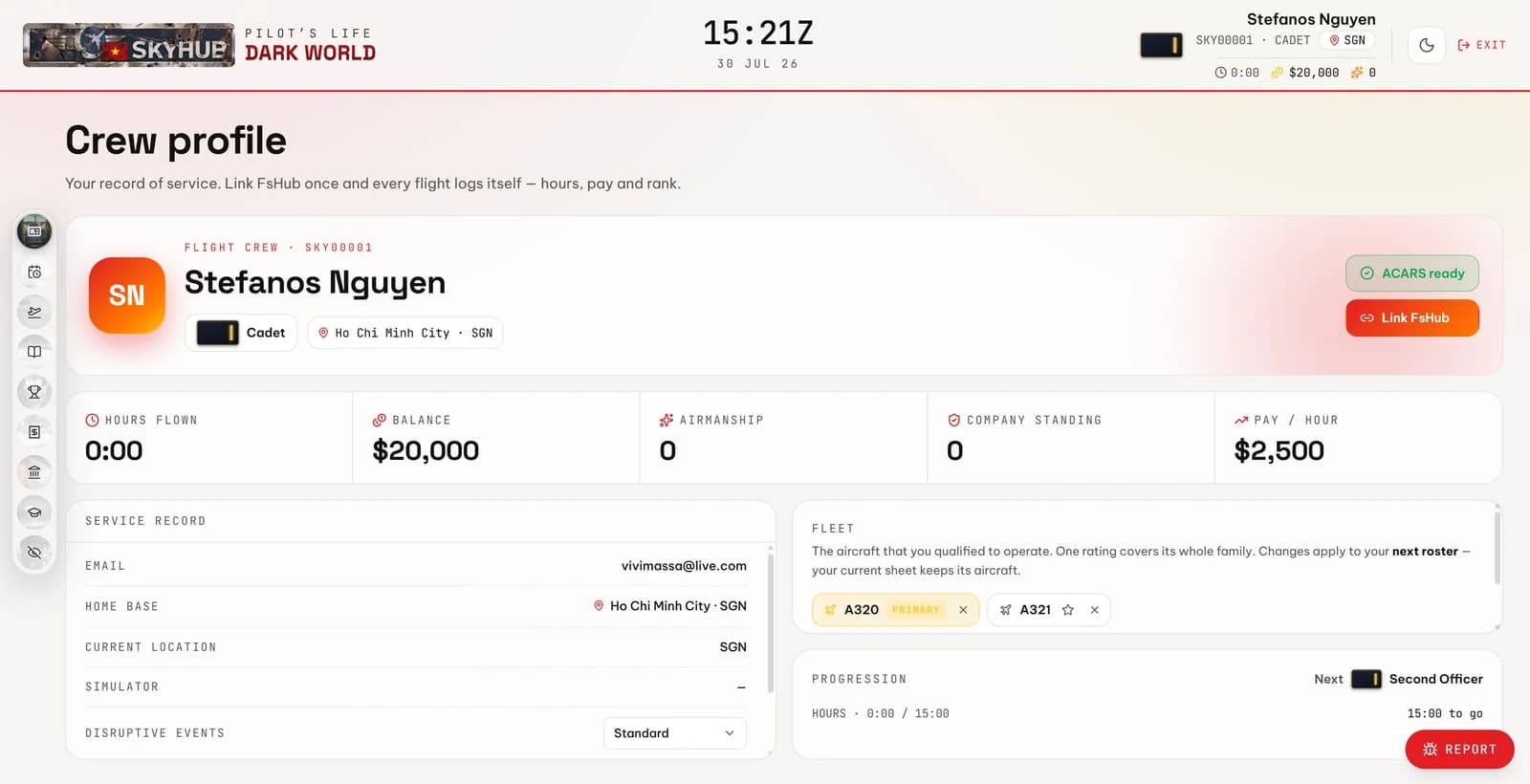
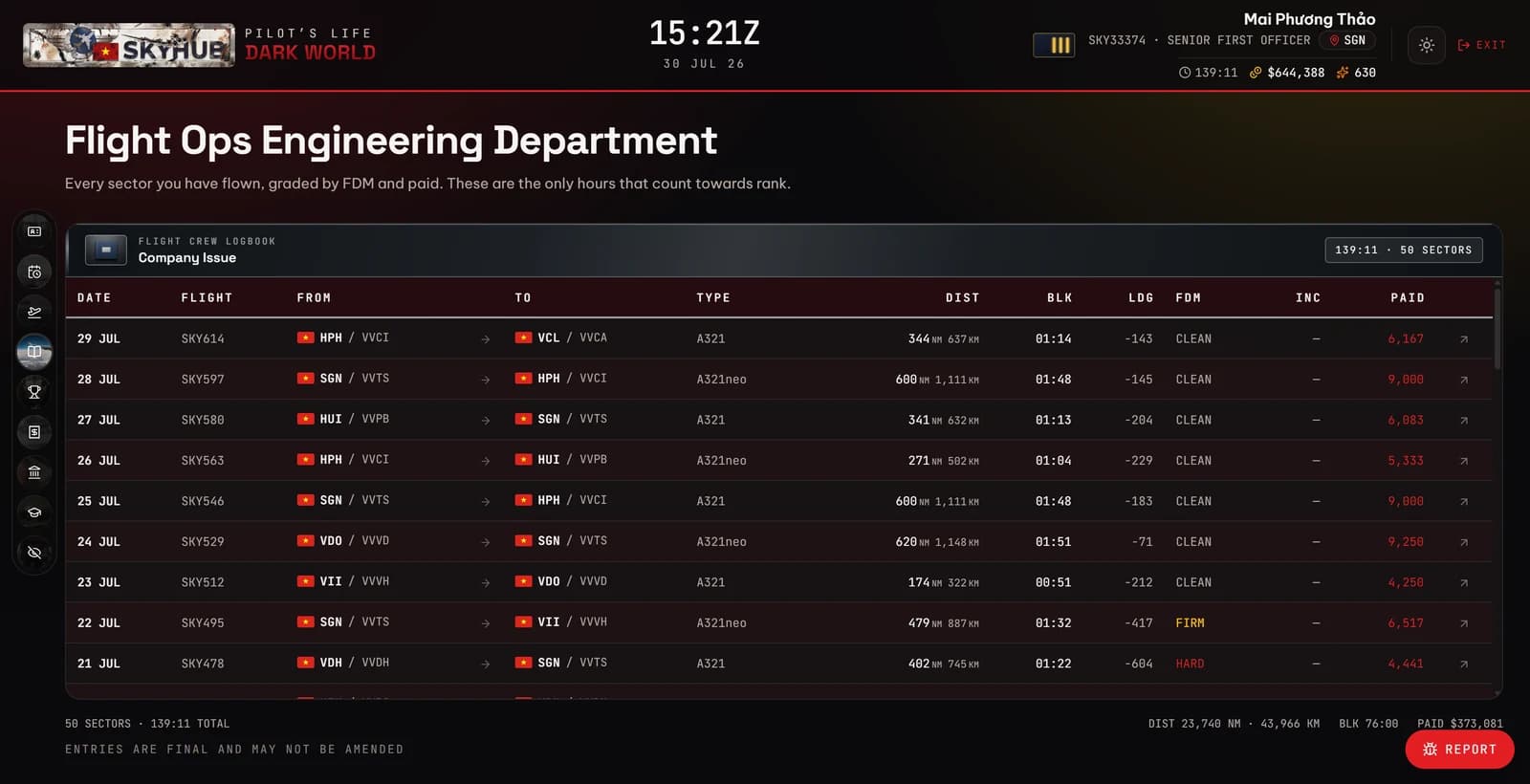
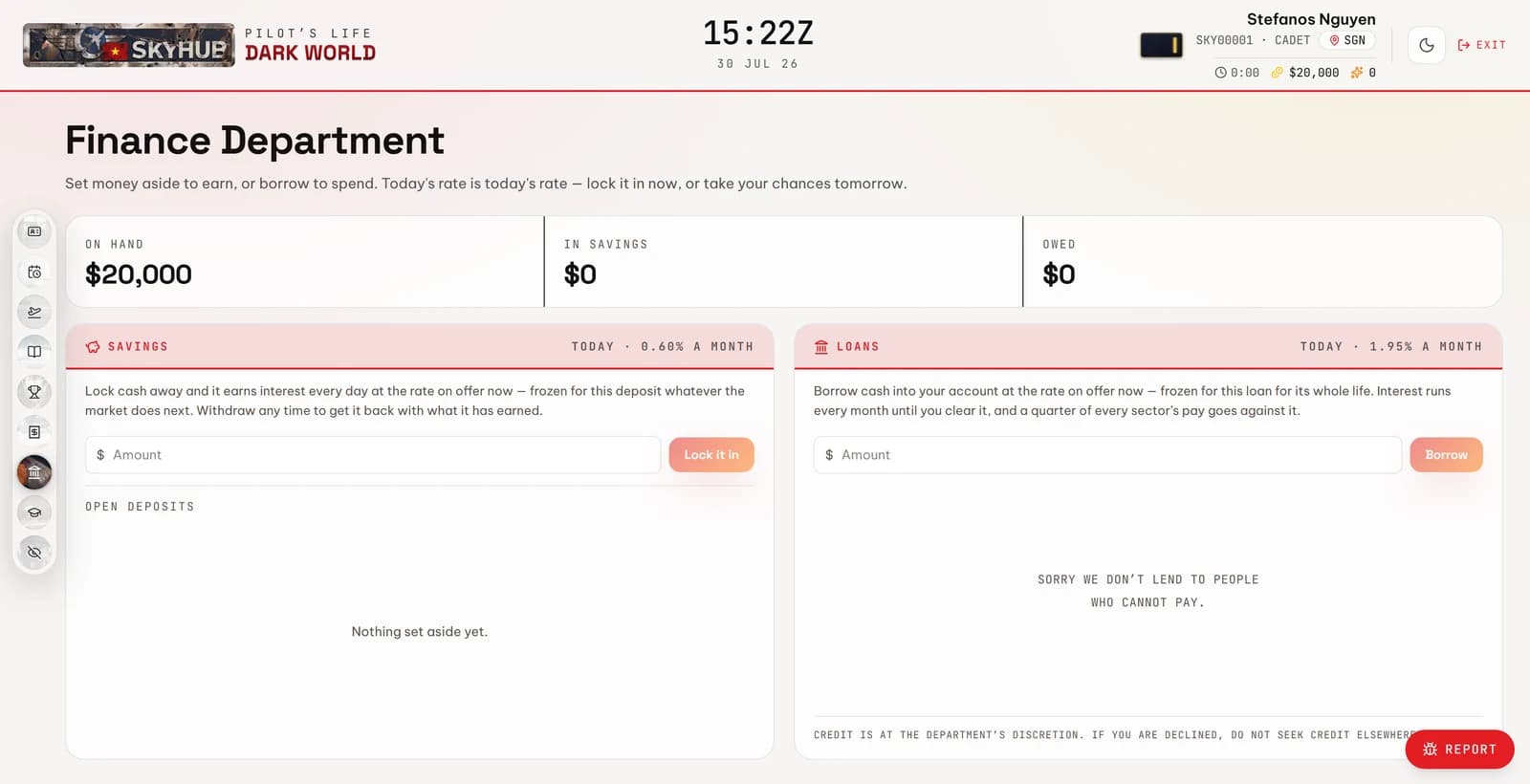
Your record of service
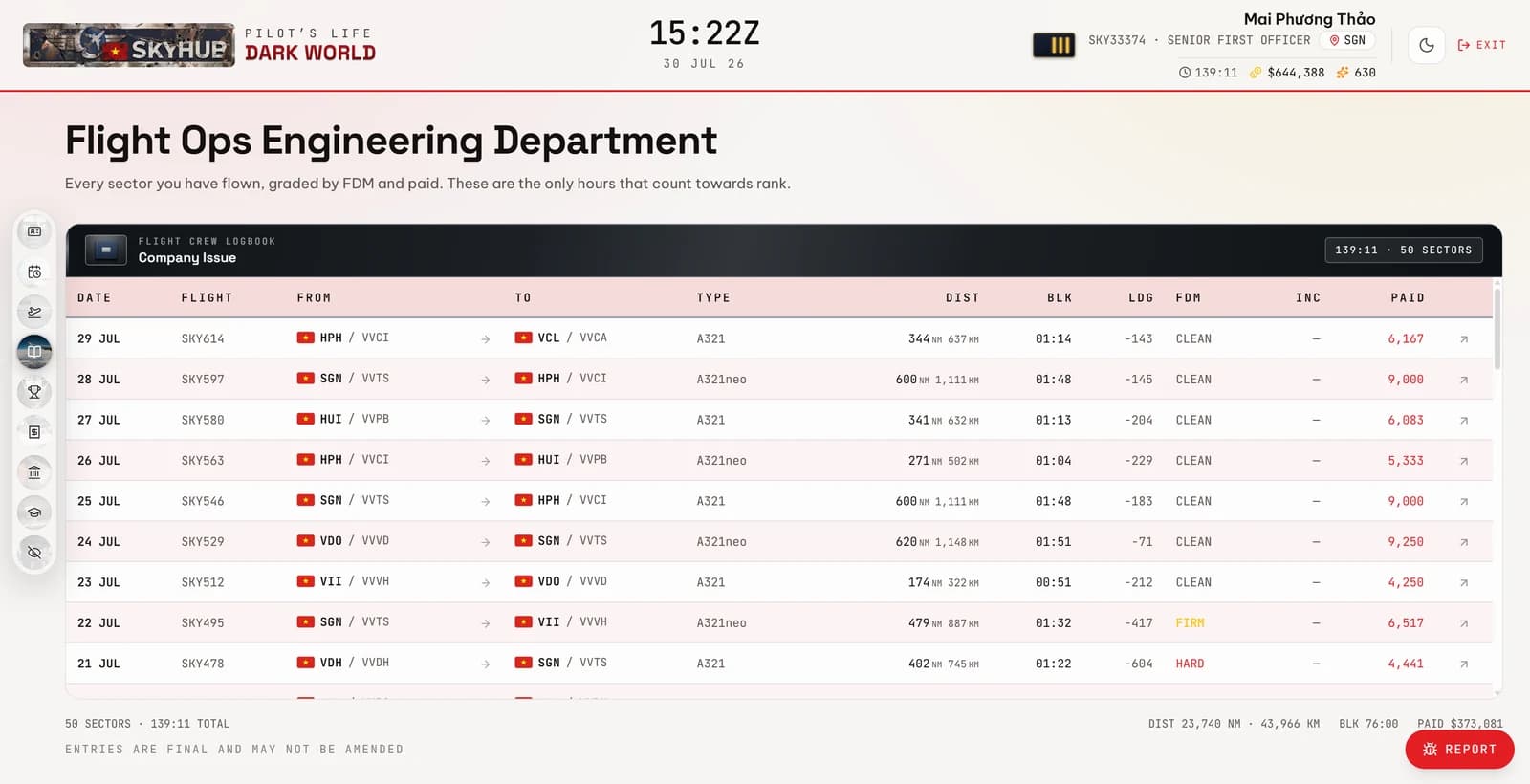
Rank, hours, airmanship and the aircraft you are rated on, in one place. Create your pairing token once and every sector you fly writes itself in — nobody types up their own logbook here.
Missed FsPassengers? It is back now
One instrument over your simulator for the whole sector. You are not watching a cabin simulate itself — you are running it, live, while you fly: boarding, the announcements, the service, and a hundred and seventy people forming an opinion about every decision. It does not close when the sector ends, either — the next flight is one press away. Nothing here is connected to anything. Press it.
Boarding. 0 of 174 passengers, 68% satisfaction. Waiting at the gate
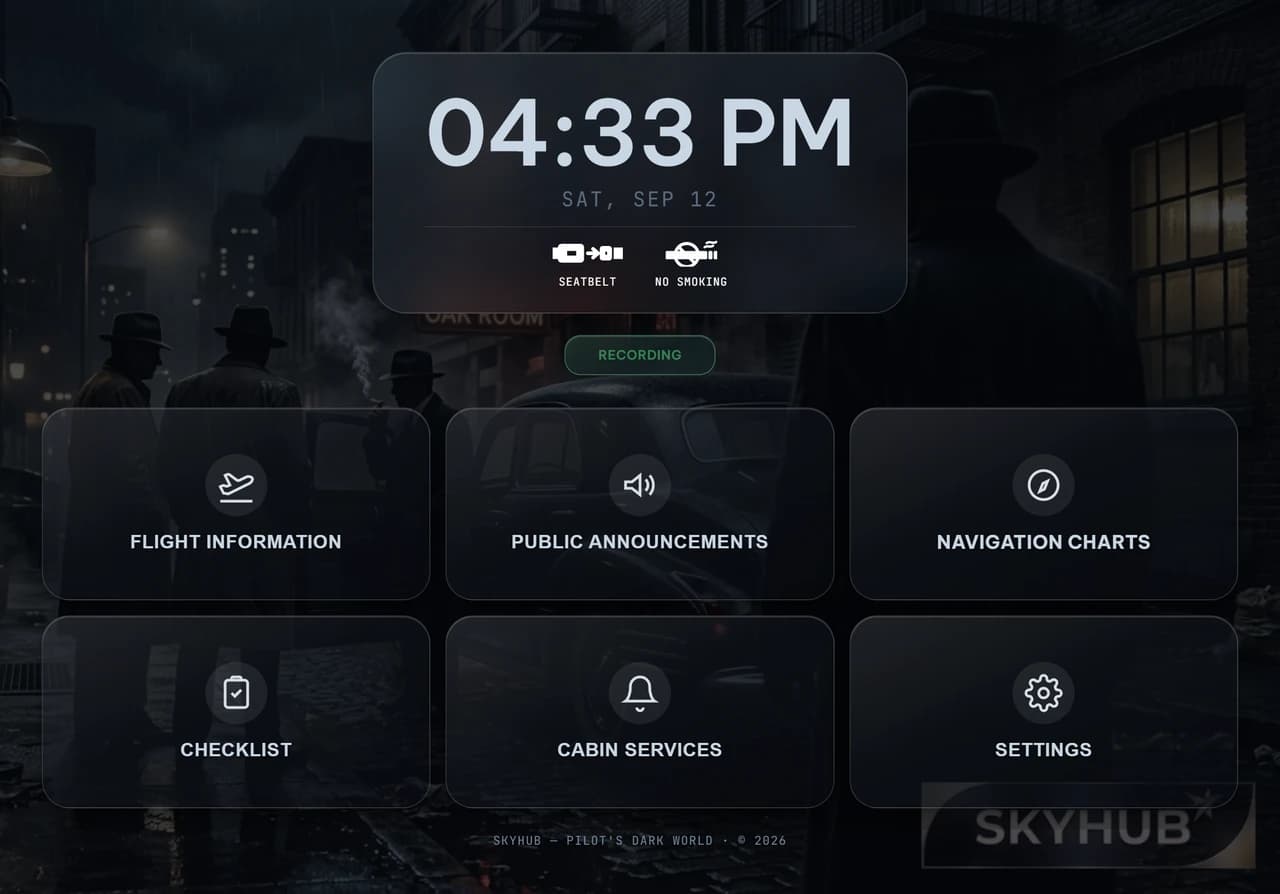
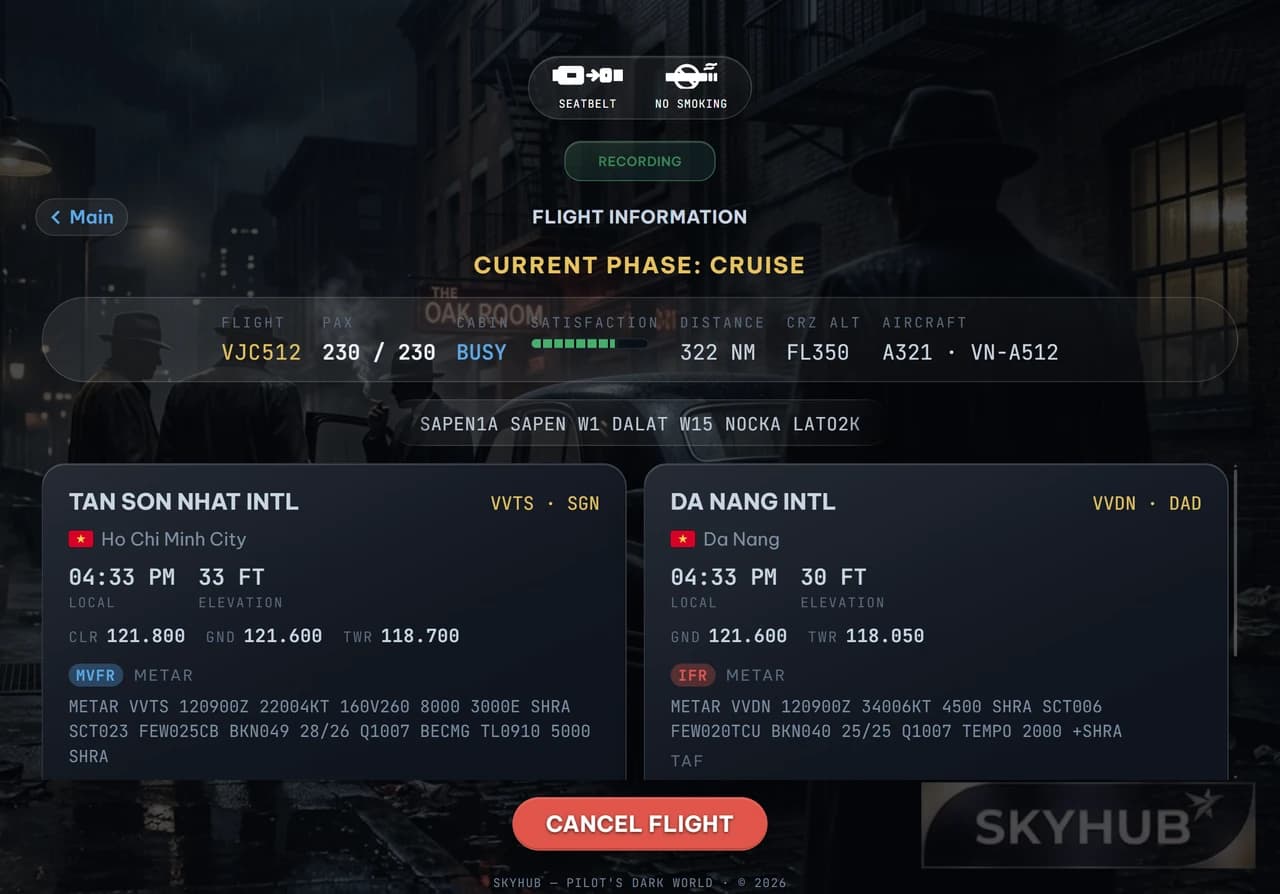
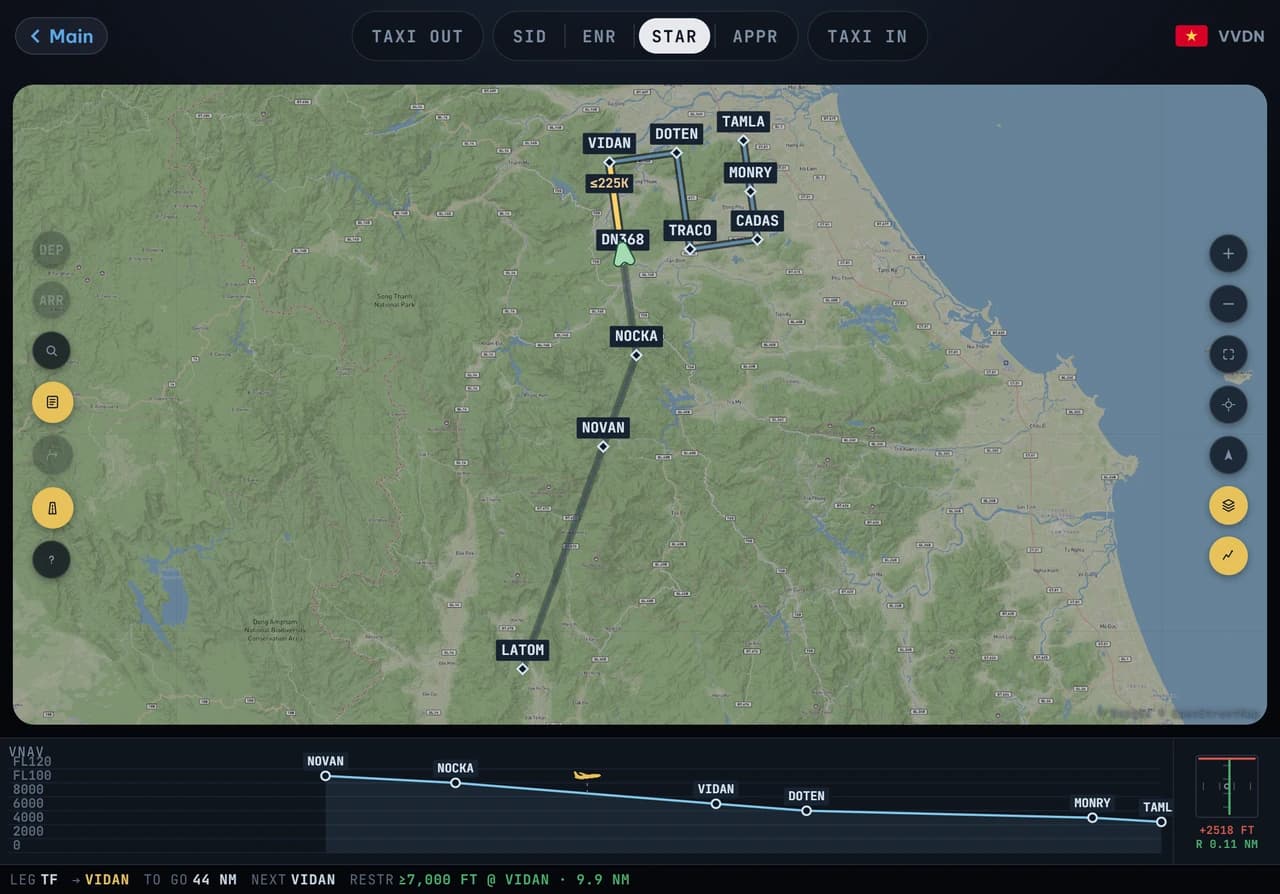
The wheel, opened out
On a desk beside the simulator there is room the overlay never had, so the wheel becomes six tiles and every screen is one tap away. The signs and the recording state stay at the top where a glance finds them, and the wallpaper is your own — a photo you drop in, dimmed until the instrument wins.
The aeroplane files a report on you
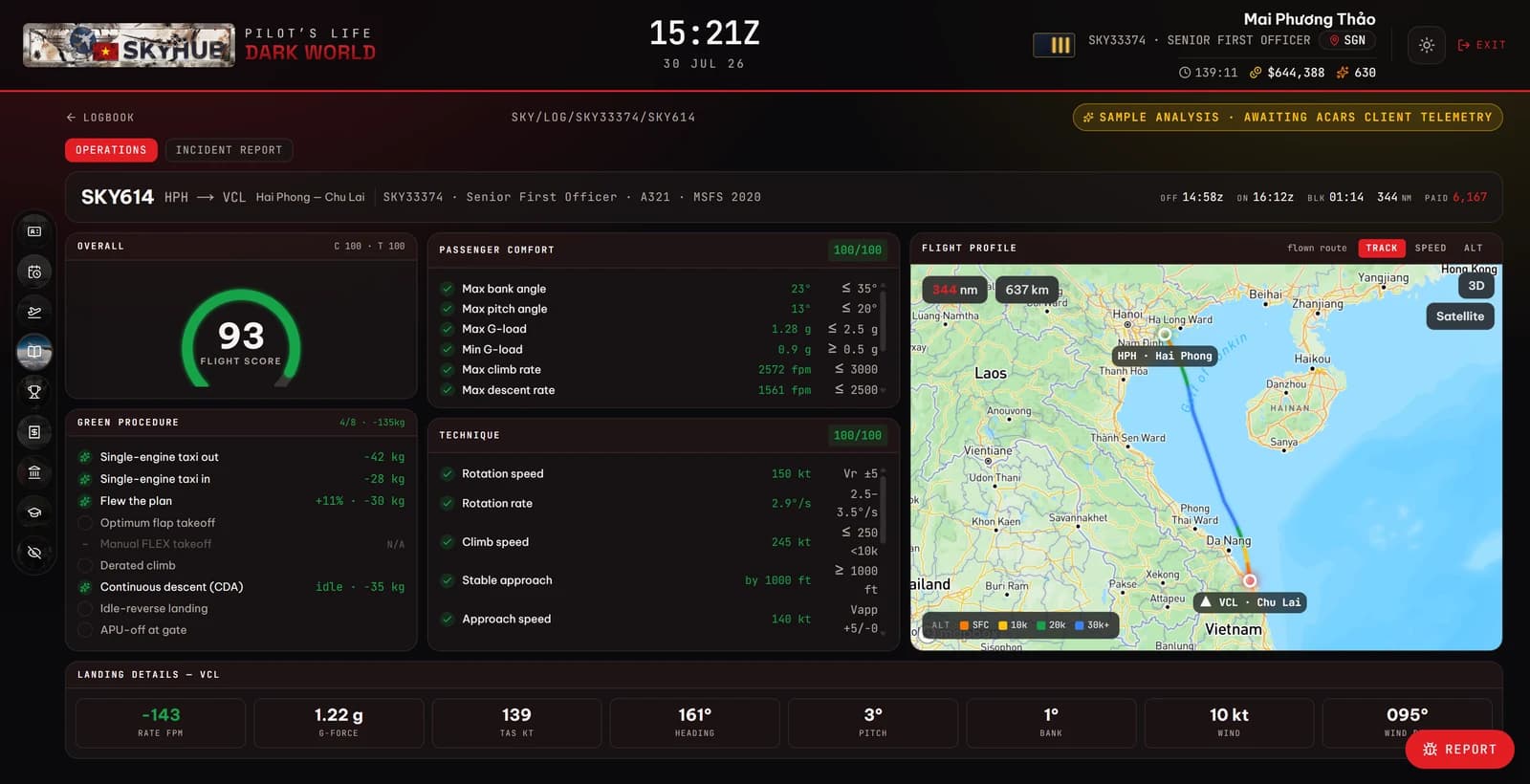
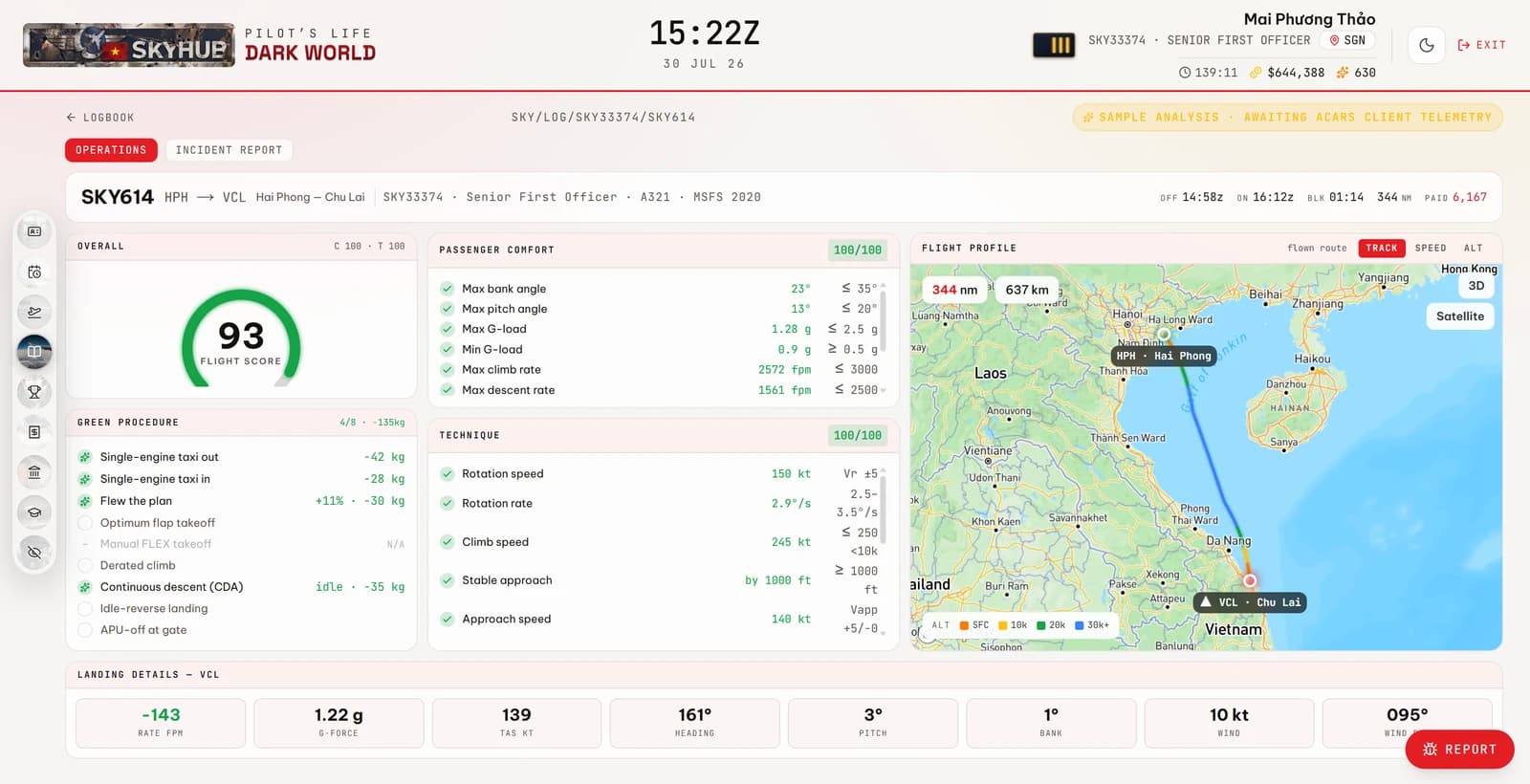
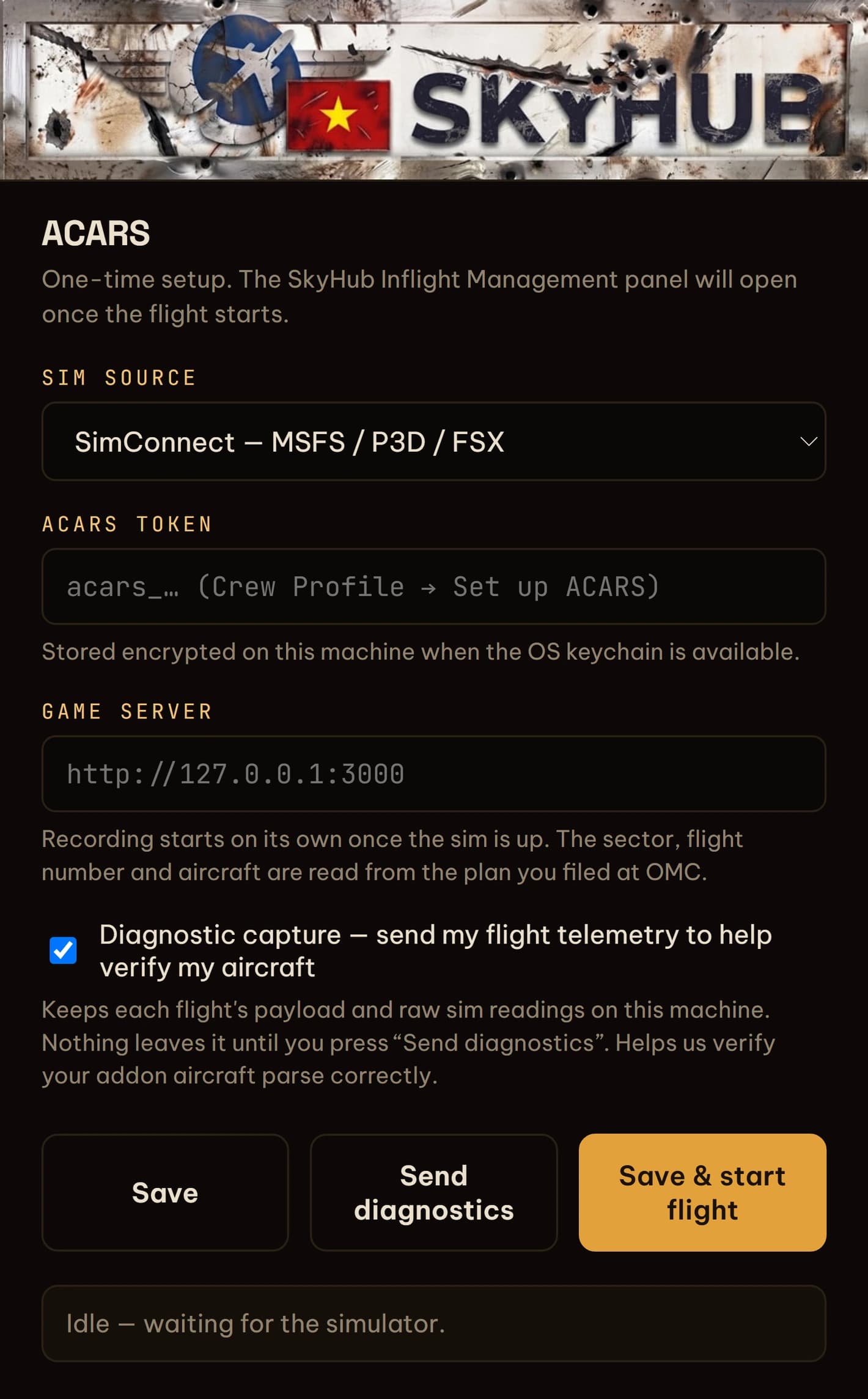
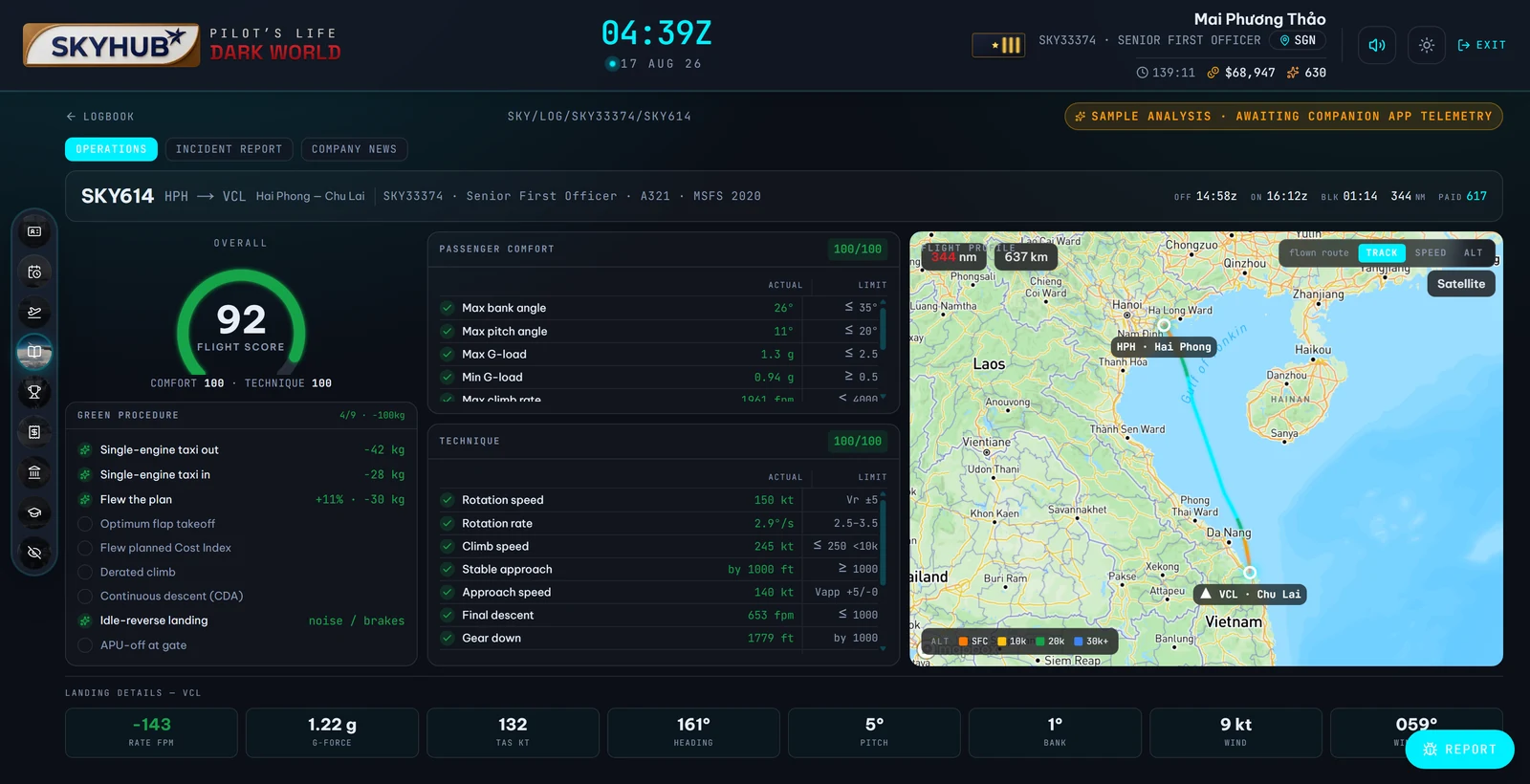
A recorder sits beside your simulator and reads its own data connection several times a second. It writes nothing back and modifies nothing, and at shutdown it files the sector itself. What comes back is technique, passenger comfort and green procedure, scored against the track it recorded — rotation rate, bank angle, the descent, the touchdown. Entries are final.
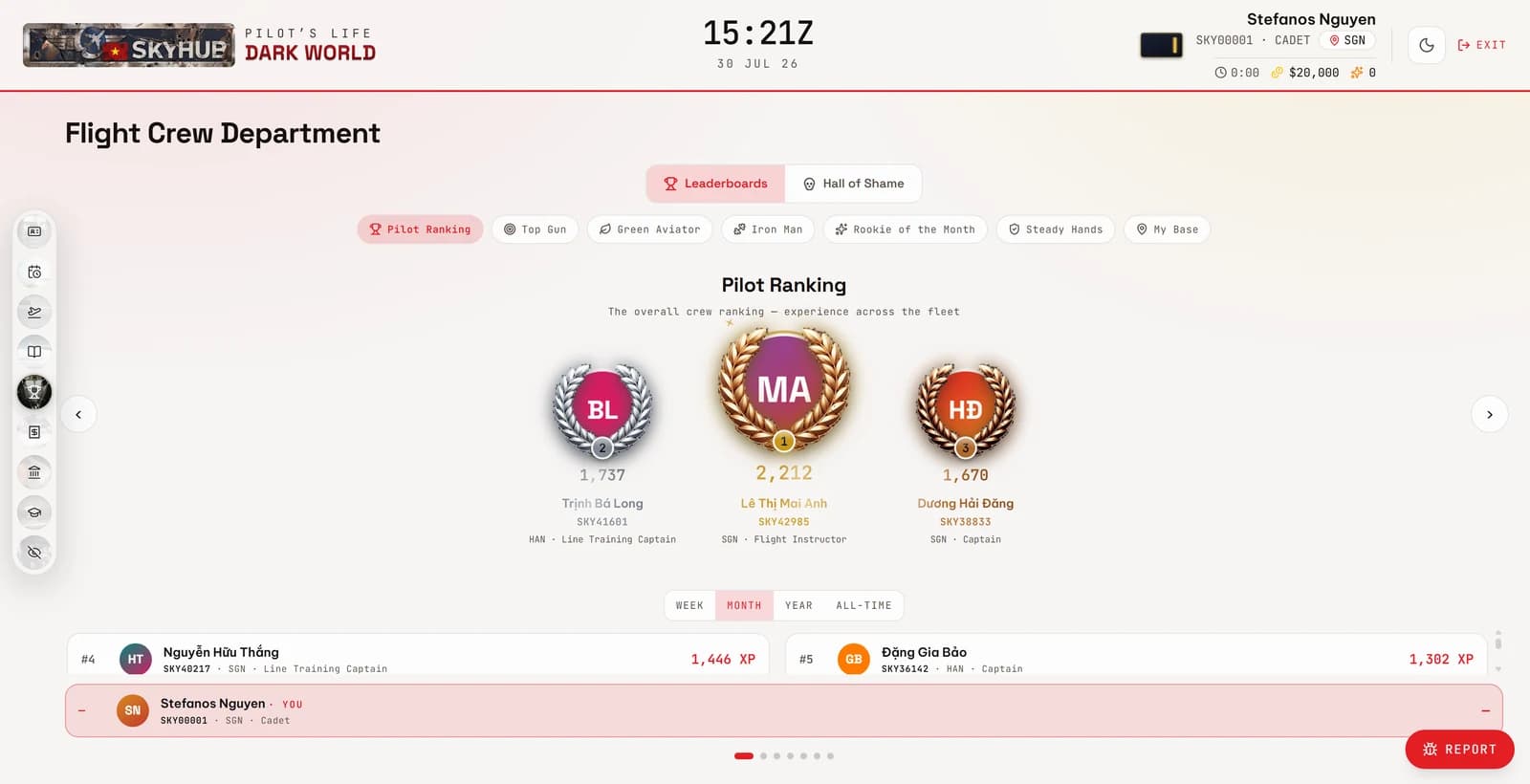
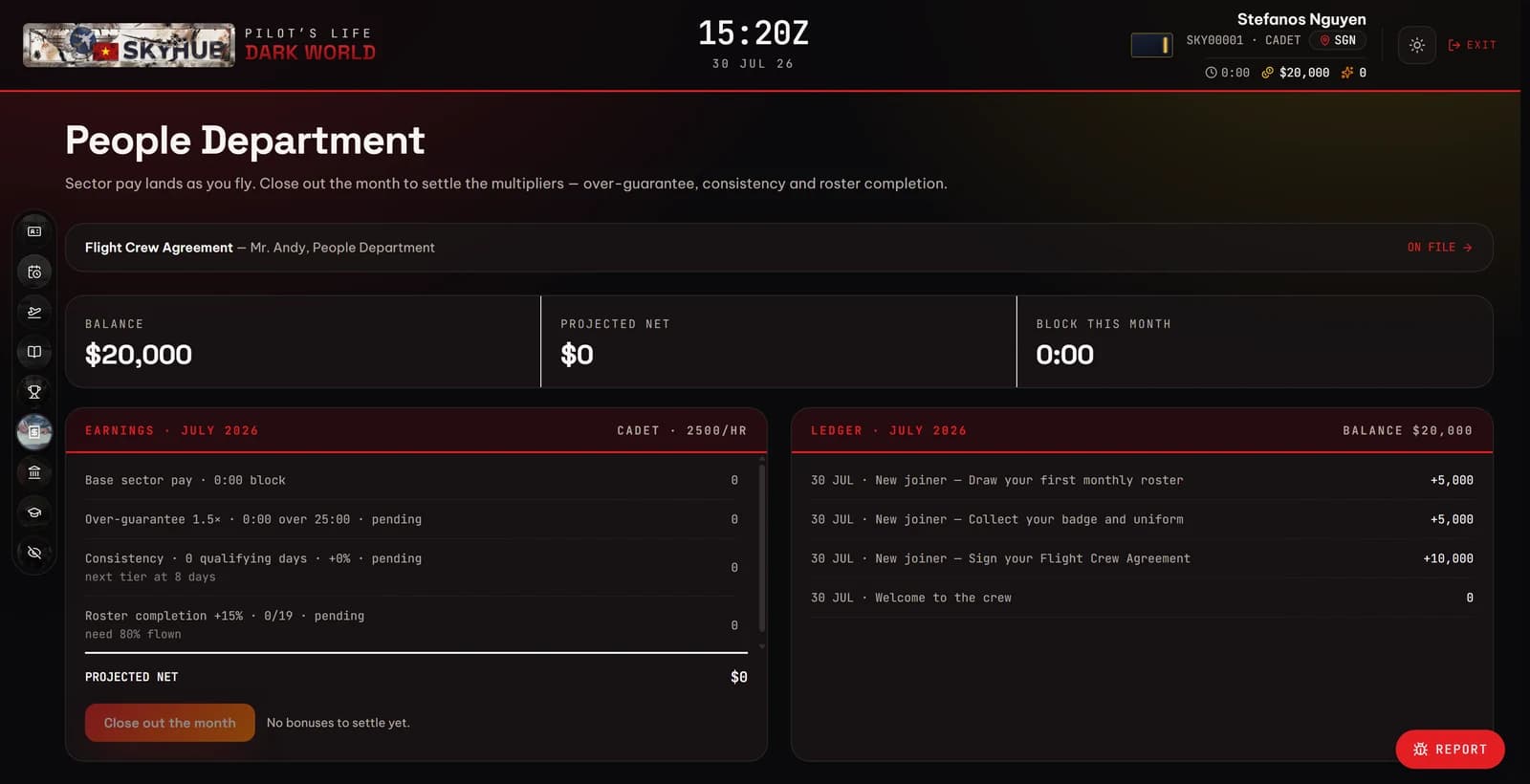
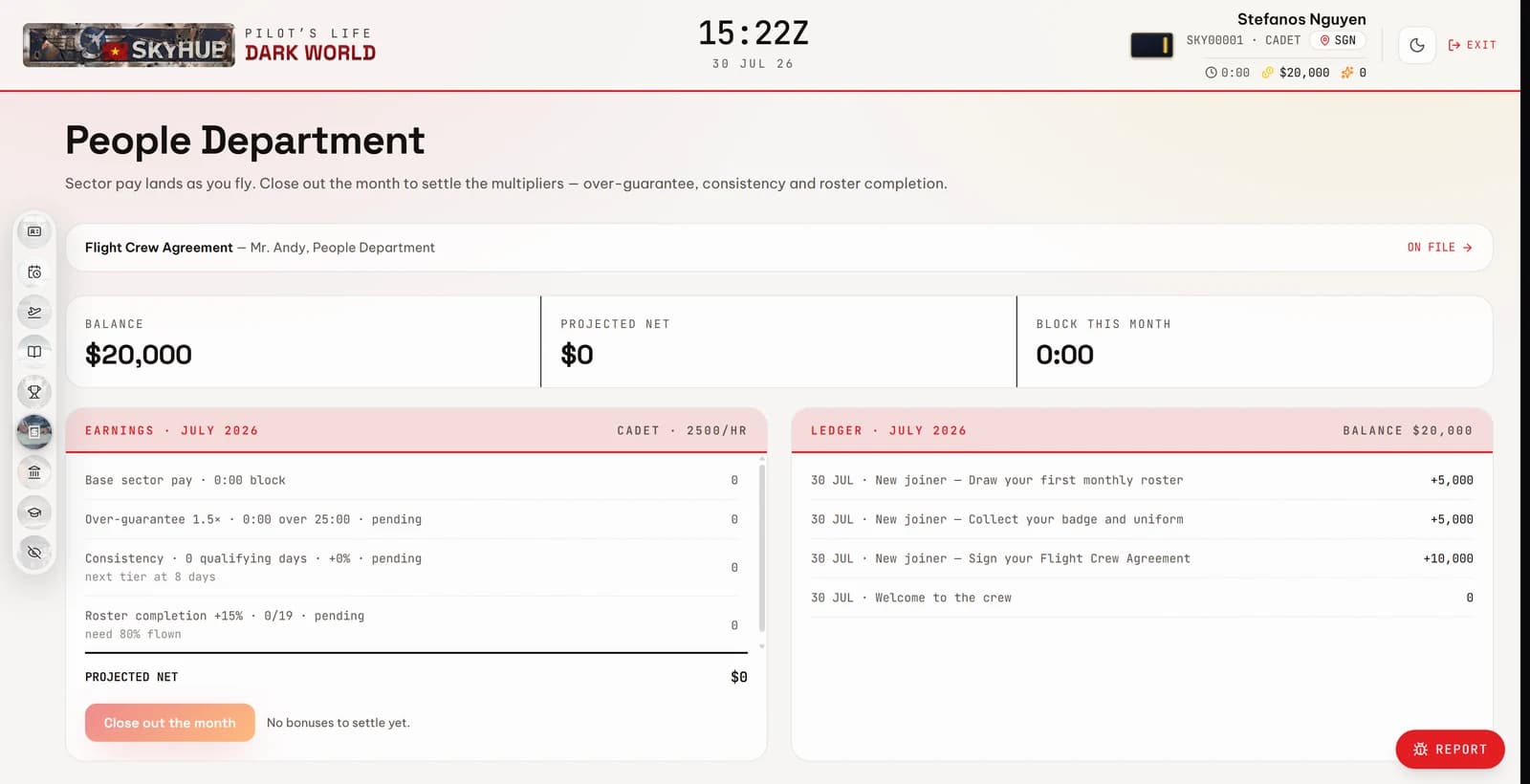
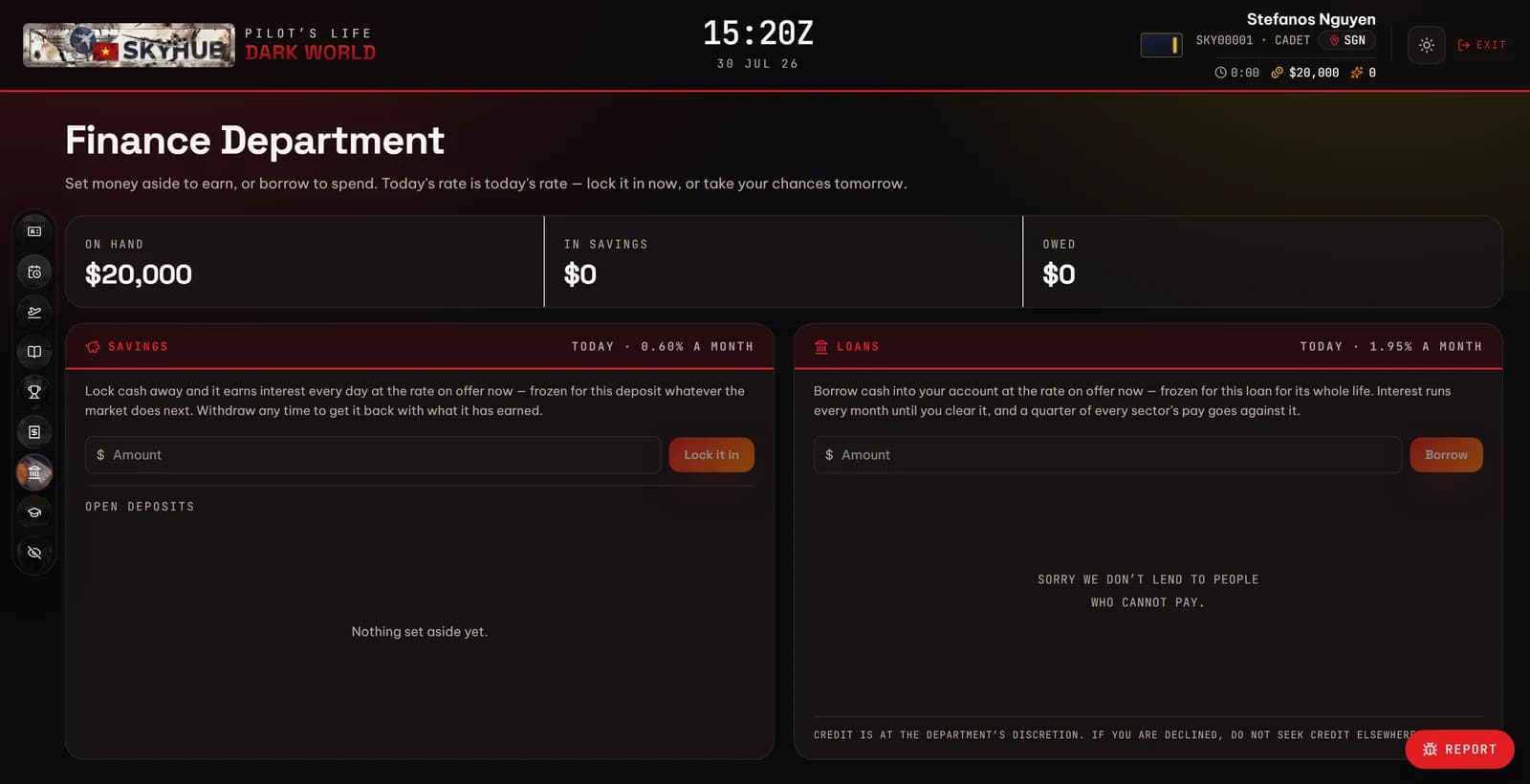
 LIGHTDARK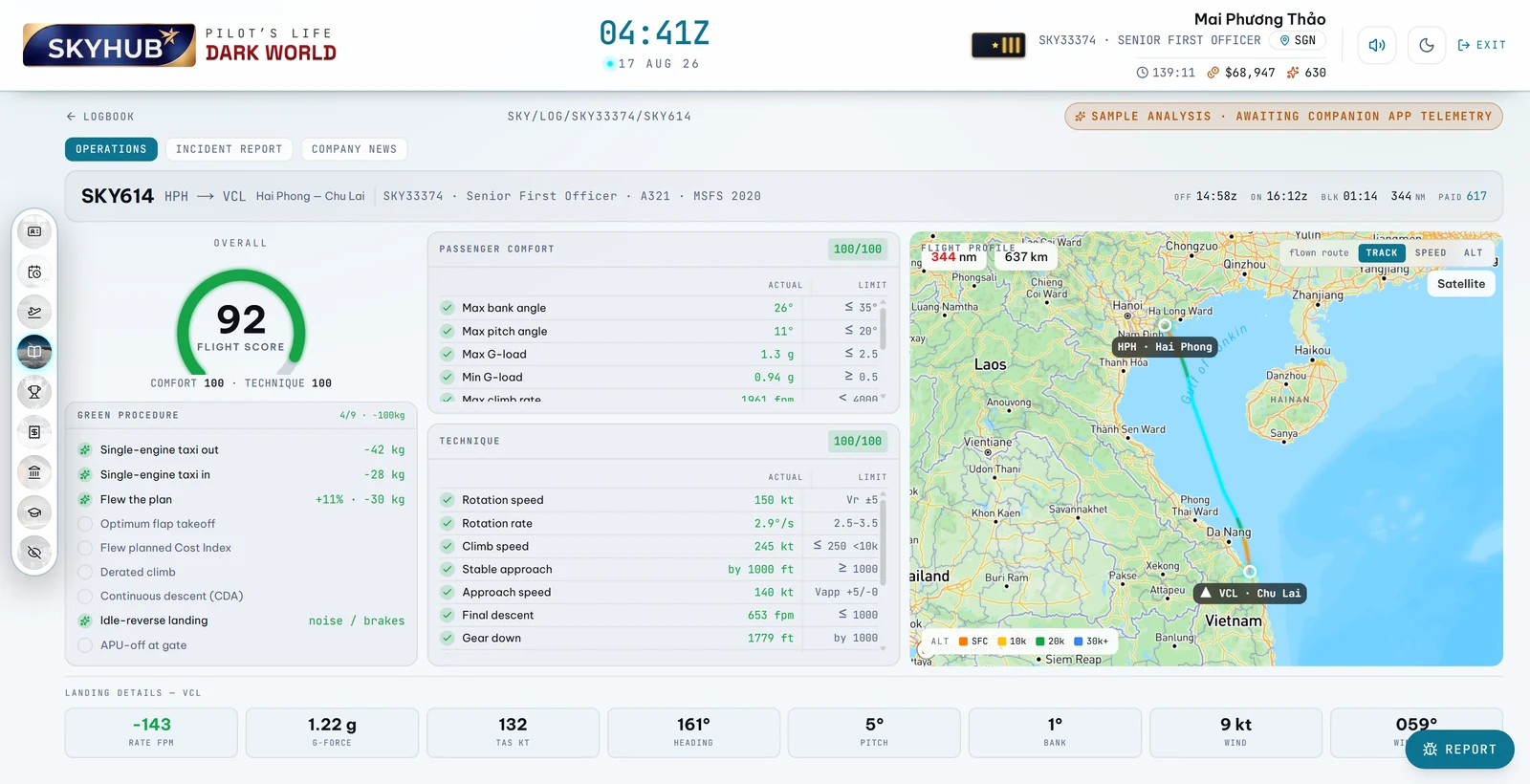
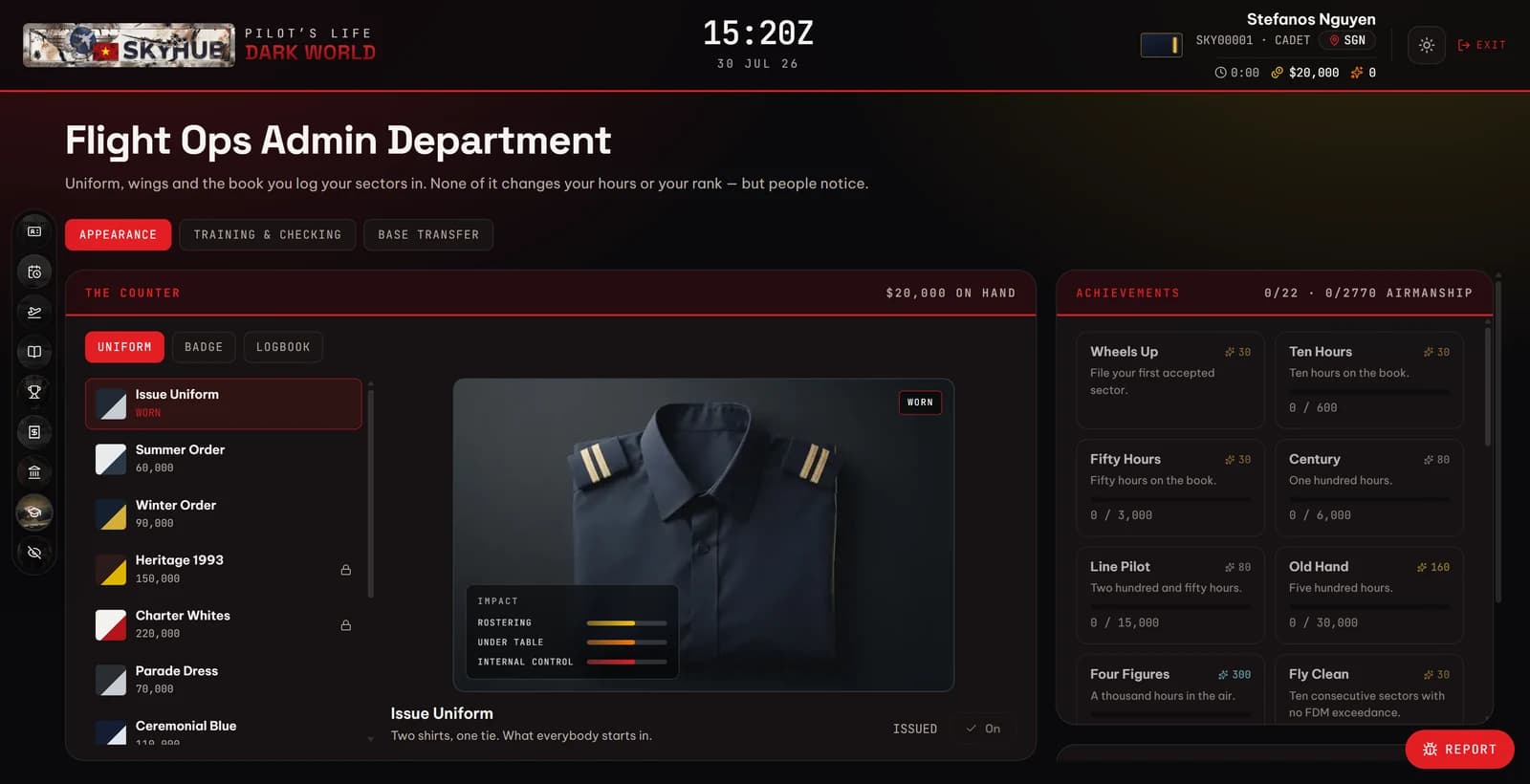
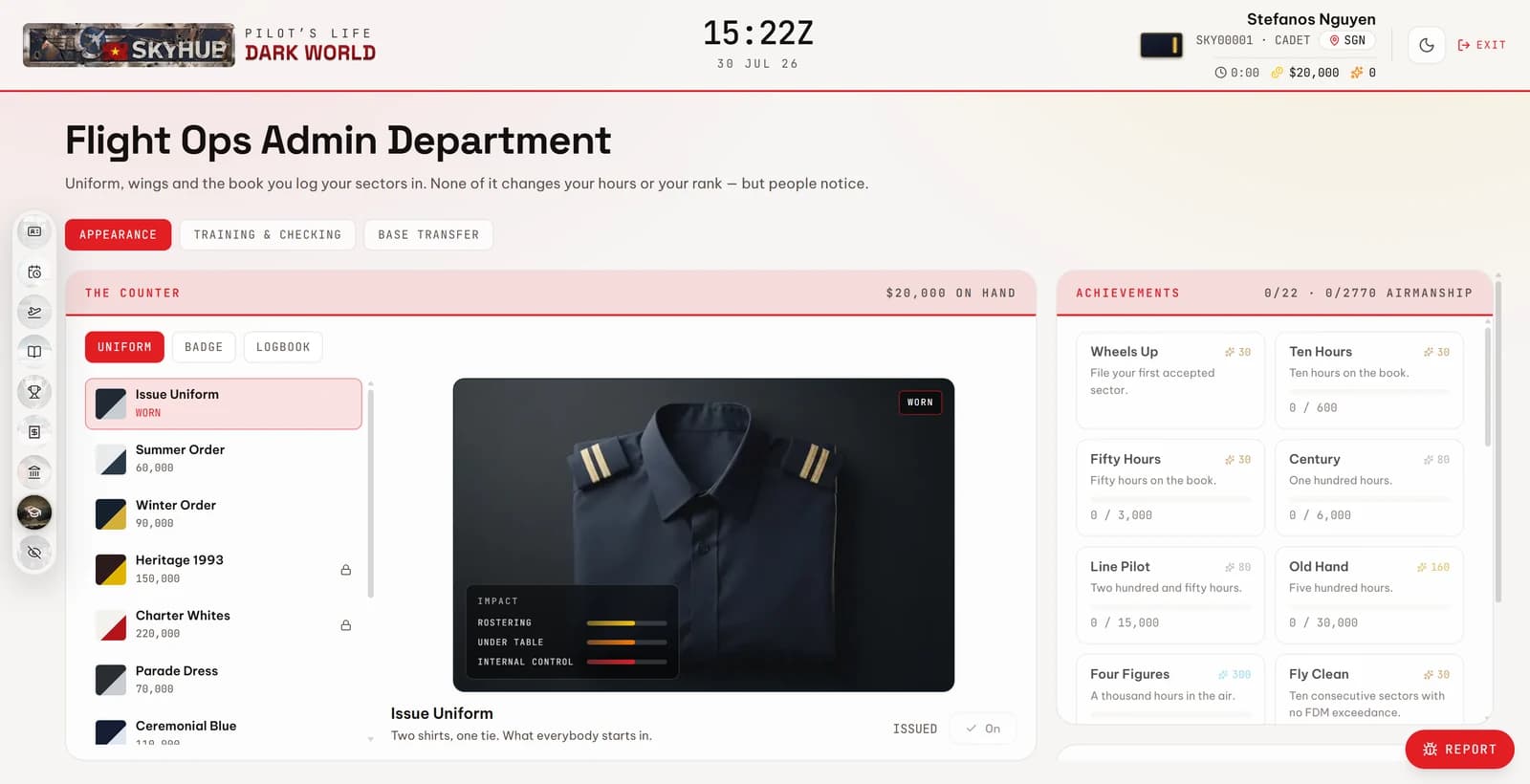
Drag the seam — the whole airline is built twice, and both are yours.
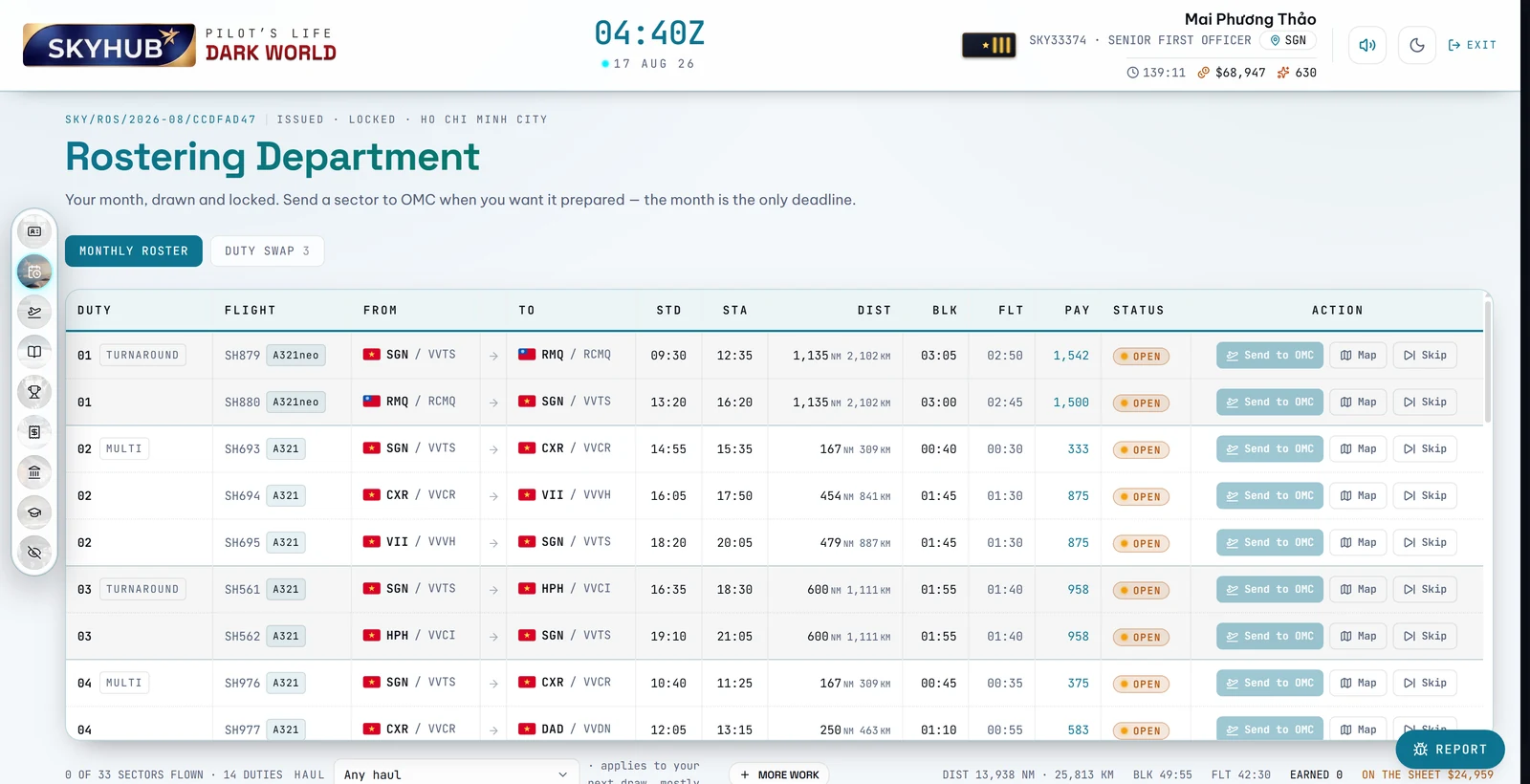
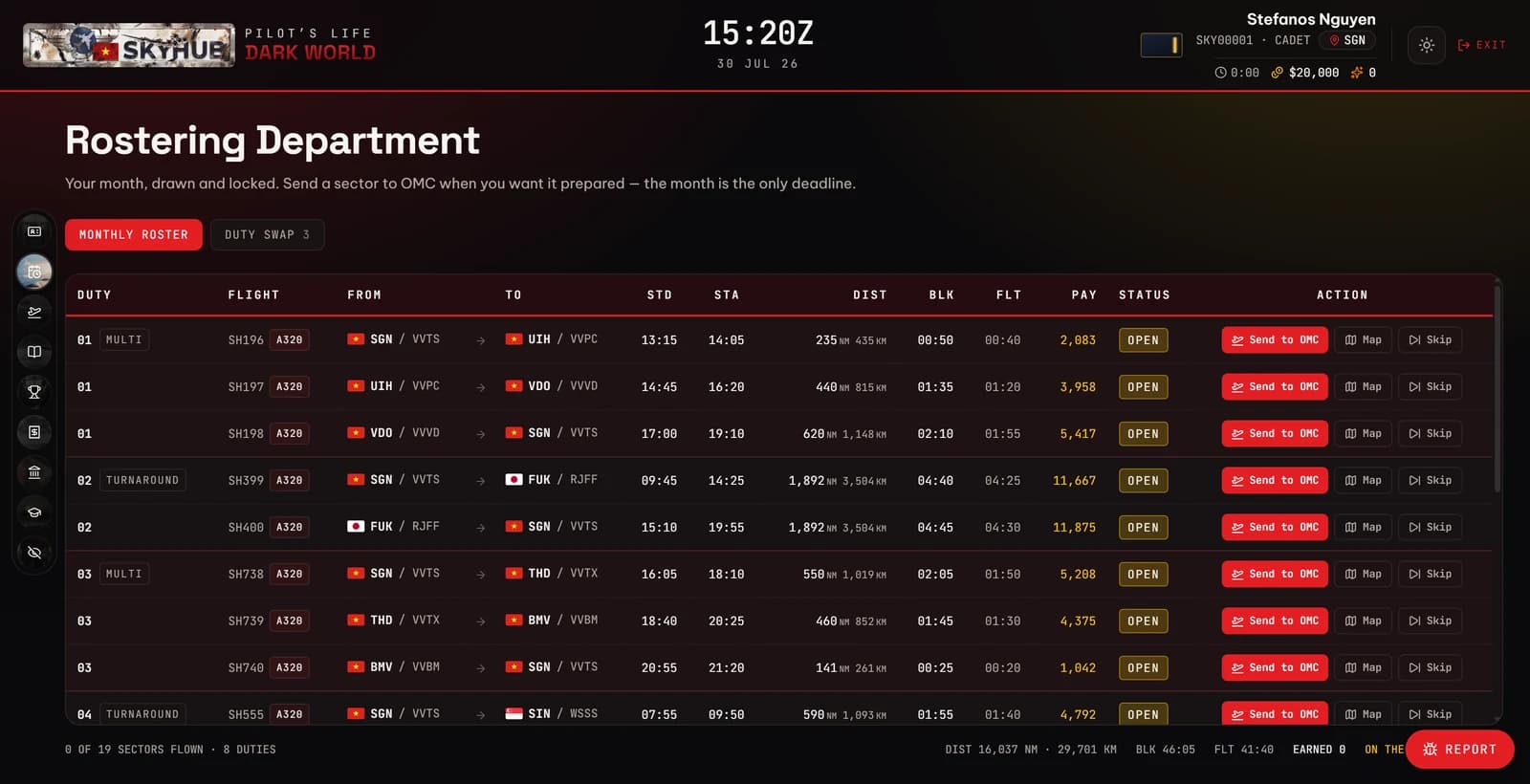
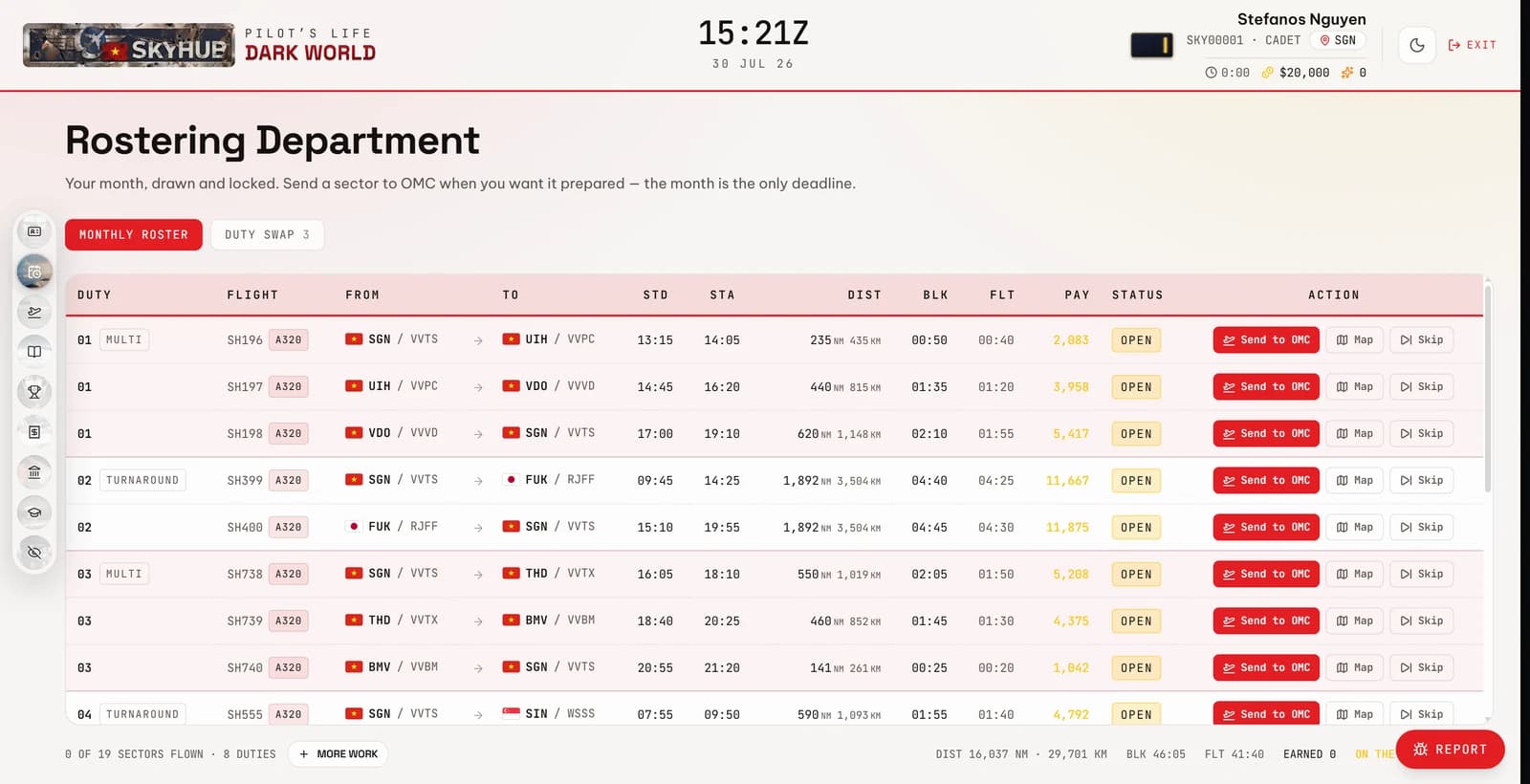
A roster, drawn for you, with a deadline
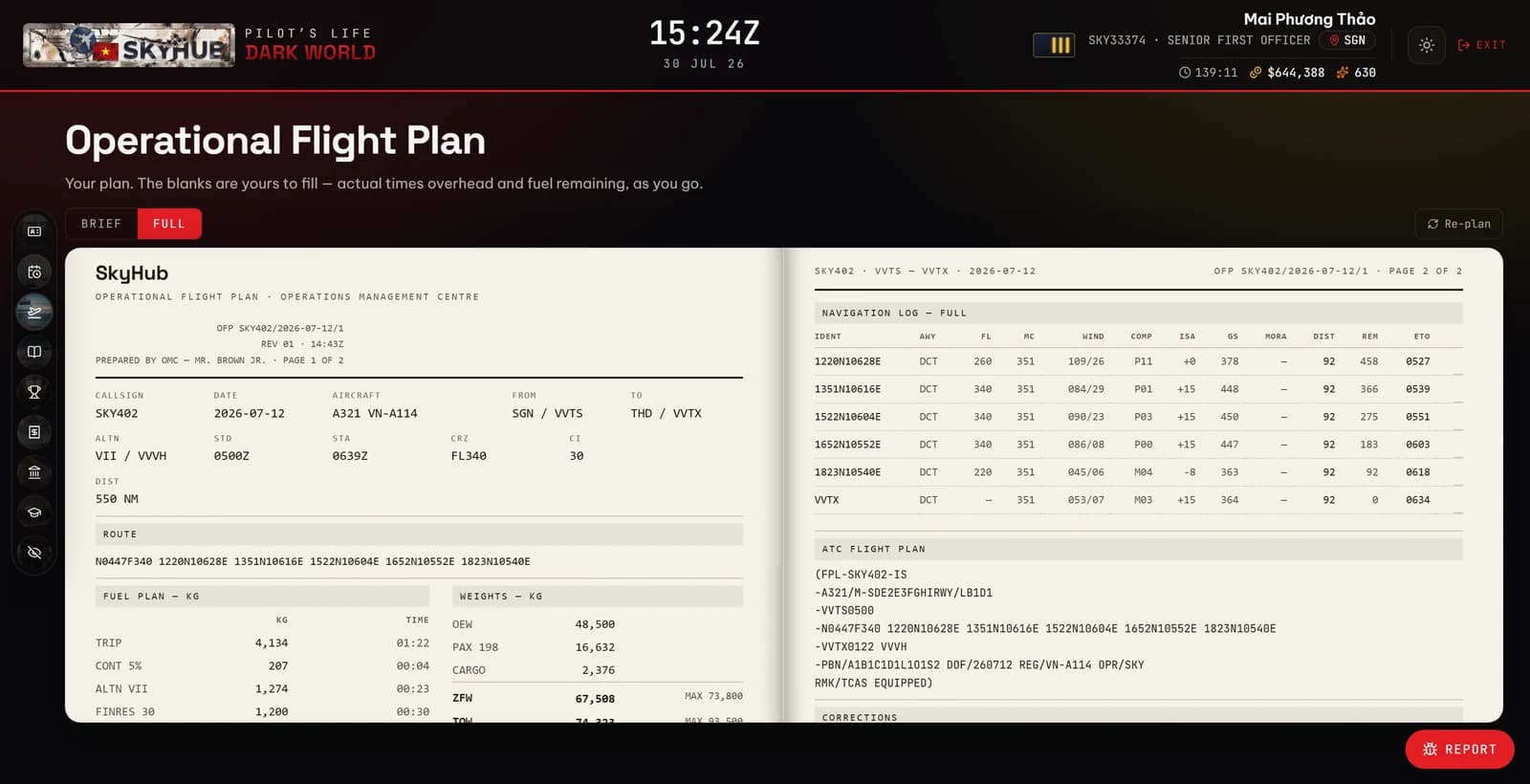
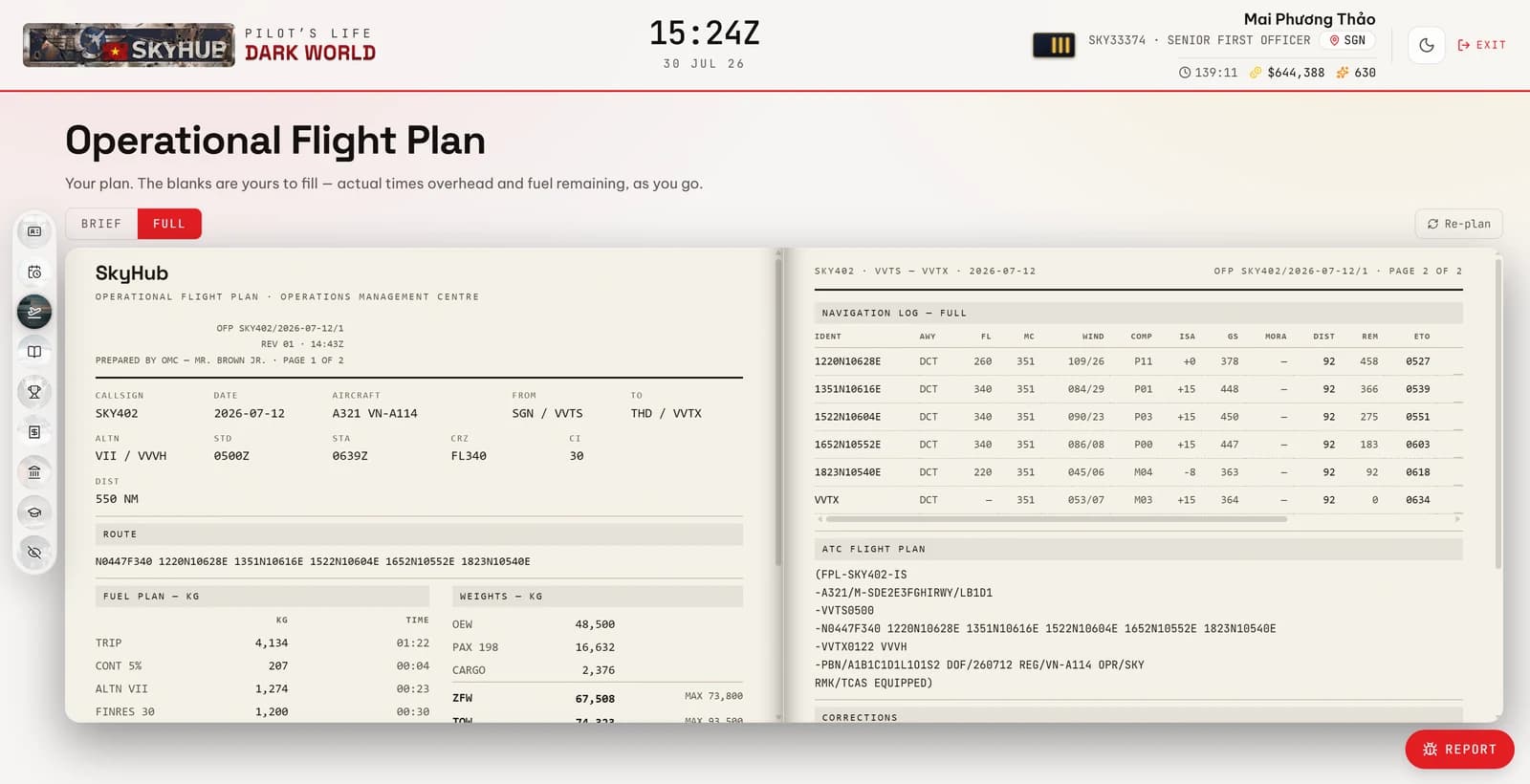
Posted to a Vietnamese crew base and issued a month of duties — around fifty block hours of them, locked. Seniority decides how much of the good flying lands on your sheet. Flight plans come with it: routing, winds aloft, fuel and weights, the navlog and the ATC strip, with no second subscription and no AIRAC cycle to keep current. Sector pay lands as you fly it.
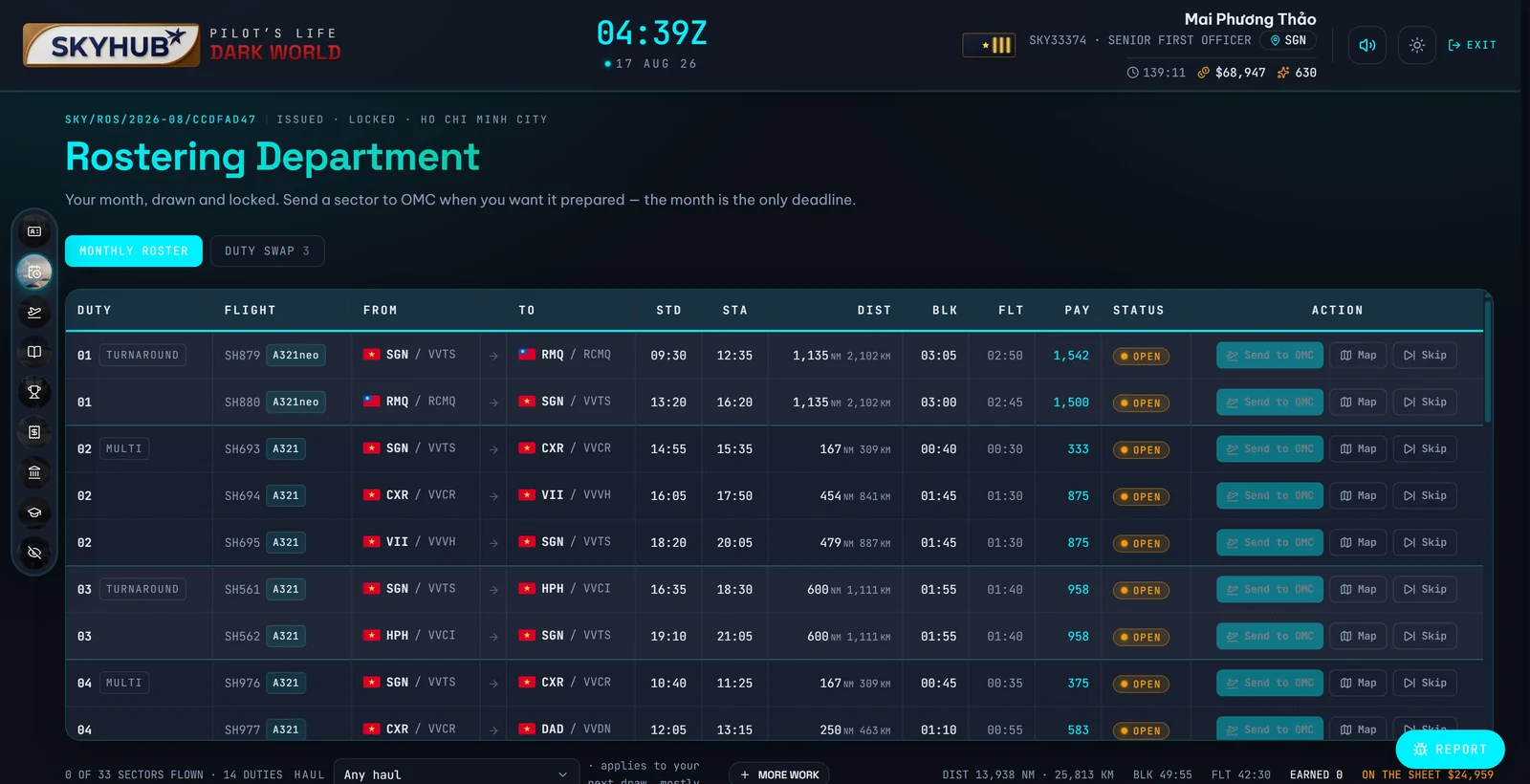 LIGHTDARK